What It Is and How It Works
In the digital payment ecosystem, managing available crypto assets plays the important role. Users often encounter terms like "listing" and "delisting" crypto assets, but don't always understand the implications. Let's explore how these processes work in CityPay and the factors that influence them.
What is crypto asset listing
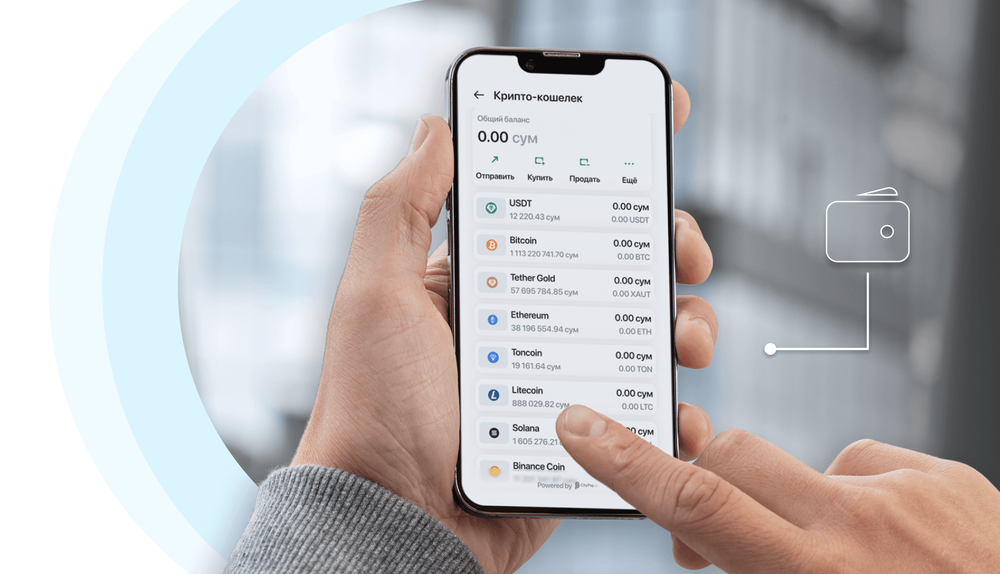
Listing is the process of adding a new cryptoasset or blockchain network to the CityPay platform, after which users can access it: buy, sell, send, receive, store, transfer, and use it within the available services.
The decision about listing is made based on a comprehensive assessment. Compliance with current legislation and regulatory requirements is primarily considered. The network's technical stability, reliability, and readiness for integration are also analyzed.
Equally important factors include:
- Sufficient liquidity;
- Stable infrastructure operation;
- Level of AML/CFT and sanctions compliance risks;
- the possibility of safe and correct integration into the CityPay system.
Once the decision is made, information about the new asset is published on the website and/or in the user interface, indicating the support start date. From this point on, users can access the crypto asset under the terms of the public offer.
What does delisting mean
Delisting is the reverse process, whereby a cryptoasset or network is removed from the platform. This means the end of its technical and operational support.
It's important to understand that delisting is not a random decision. It is always based on objective reasons related to security, compliance, or technical advisability.
Reasons of delisting
CityPay may decide to exclude an asset in the following cases:
- regulatory authority orders;
- violation of legal or sanction requirements;
- increased compliance risks;
- serious technical failures in the network or termination of its support by validators;
- decreased liquidity or inability to provide secure service;
- internal decisions aimed at improving the platform's security and efficiency.
How this affects the users
When listing, users gain access to new features and expanded functionality. In the event of delisting, it's opposite: it's important to promptly review the notice through the platform and take the necessary steps regarding their crypto assets.
CityPay informs users of all changes in advance to ensure transparency and give them sufficient time to make decisions.
Transparency and security is the priority
Listing and delisting processes are part of CityPay systematic approach to risk management and ensuring the platform's stable operation. This allows to maintain a high level of security, comply with regulatory requirements, and provide high-quality service to users.
For more information on the terms and conditions, please refer to the public offer:
Public Offer CityPay